
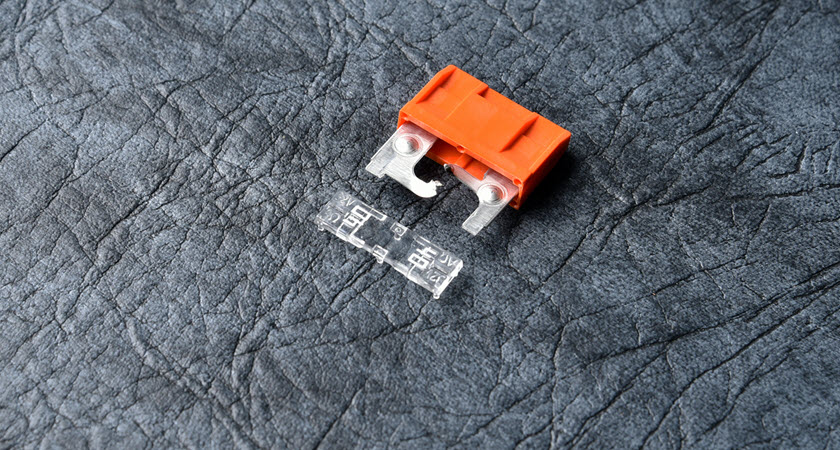
A fuse that opens repeatedly is doing its job: it is interrupting a circuit that is drawing more current than the circuit is designed to carry. Installing another fuse may restore power briefly, but repeated failure means the circuit needs diagnosis.
Sprinter fuse layouts and ratings vary by model year, engine, body configuration, and added equipment. Some high-current strip fuses or pre-fuse components are informally called “aluminum fuses.” Confirm the exact circuit and specified replacement before testing or replacing anything.
Common Reasons a Sprinter Fuse Keeps Blowing
- Shorted or damaged wiring: Chafed insulation, pinched wiring, water intrusion, corrosion, collision damage, or an incorrectly installed accessory can allow current to take an unintended path to ground. The location must be traced; simply replacing the fuse does not repair the wire.
- A failing component on that circuit: A motor, heater, solenoid, lamp assembly, compressor clutch, or other load can draw too much current when it fails. A sensor fault code alone does not prove the sensor caused a fuse to open; the wiring diagram and current measurements are needed.
- Loose or heat-damaged connections: Resistance at a loose terminal can generate heat and damage a fuse block or holder. Discolored metal, melted plastic, or a burning smell requires prompt inspection.
- Added equipment or an incorrect fuse: Inverters, lighting, chargers, refrigeration equipment, and conversion accessories can overload a circuit if they are connected incorrectly. A fuse with the wrong type or rating can also create unreliable or unsafe protection.
- Battery, charging, or power-distribution problems: Low voltage, unstable voltage, poor grounds, incorrect jump-starting, or damaged distribution connections may contribute to electrical symptoms. Charging voltage must be interpreted using the correct test conditions and vehicle specification; one generic voltage number does not diagnose the fault.
What a Proper Diagnosis Includes
A technician first identifies the affected circuit and verifies the fuse type and rating. The next steps may include inspecting the fuse block and terminals, reviewing a wiring diagram, scanning related control modules, testing battery and charging performance, measuring voltage drop, isolating circuit branches, and checking current draw under the conditions that cause the failure.
Control-module codes help point to the circuit involved, but they do not automatically mean the module is defective. Wiring, power, ground, connectors, software state, and the connected load should be checked before an expensive module is replaced.
What Not to Do
Never install a higher-rated fuse to “solve” repeated failures, and never bridge a fuse with wire, foil, or another metal. Do not keep feeding fuses into a circuit that opens immediately. These actions can overheat wiring and increase the risk of component damage or fire.
If the fuse is part of a high-current battery or pre-fuse assembly, avoid unqualified work around exposed terminals. A battery can deliver enough current to cause severe burns or damage tools. Arrange professional diagnosis if the circuit is unclear, the fuse opens again, or there is visible heat damage.
Sprinter Electrical Repair in Norcross
 At Sprinter Gurus, our ASE-certified mechanics diagnose repeated fuse failures, wiring faults, battery and charging issues, and power-distribution concerns before recommending parts.
Our only shop is at 6000 Jimmy Carter Blvd Suite 200, Norcross, GA 30071. Call or request an appointment for Sprinter electrical diagnosis.