
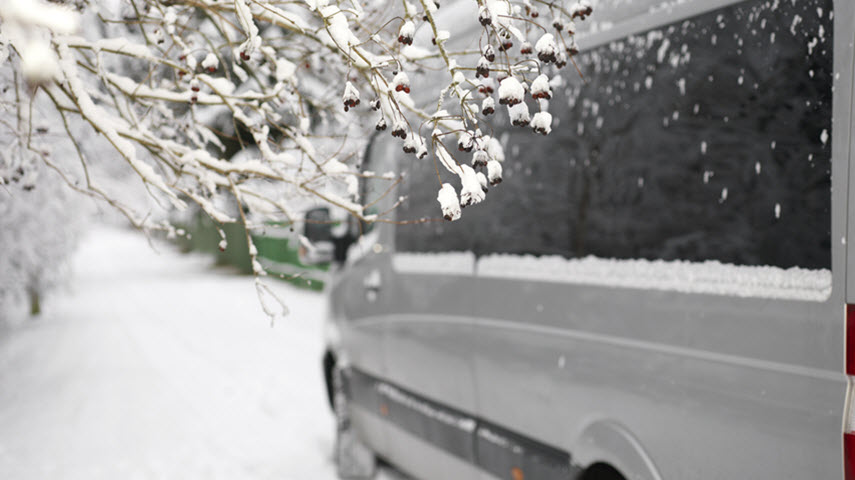
Winter preparation depends on how your Sprinter is used. A daily work van in Norcross needs different preparation from a camper traveling into freezing mountain conditions. Start with the vehicle’s owner information, the forecast and route, and instructions from any conversion or equipment manufacturer.
Start Before Temperatures Fall Below Freezing
Water freezes near 32°F, and exposed plumbing can freeze sooner or remain colder than the cabin. If your van has tanks, pumps, faucets, toilets, showers, heaters, or exterior water lines, follow the conversion manufacturer’s procedure before freezing conditions arrive. That may require draining, bypassing equipment, using approved potable-water antifreeze in specified circuits, or keeping systems heated.
Do not assume that driving the van or warming the cabin protects every line. Hidden compartments and exterior tanks may stay cold. Never place automotive coolant in a drinking-water system.
Vehicle Checks for Cold-Weather Travel
Battery and Charging System
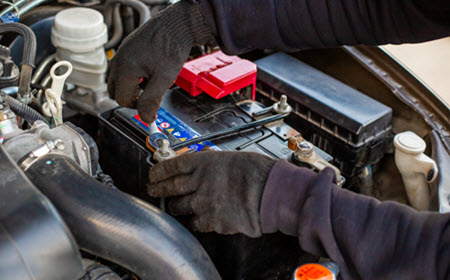
Cold weather can expose a marginal battery and increases starting demand. Have the battery’s charge and capacity, alternator, cables, and grounds checked if the van cranks slowly or needs jump starts. Diagnose repeated discharge before installing a new battery.
Tires, Pressure, and Traction Equipment
Check tire pressure when the tires are cold and use the vehicle’s pressure information for the actual load and tire size. Pressure changes with temperature, so recheck it during a major weather change or before a long trip. Inspect tread, age, sidewalls, and uneven wear.
Winter tires may improve traction in sustained cold, snow, and ice, but they do not remove stopping-distance or speed limits. If your route may require chains or other traction devices, confirm the legal requirements and the vehicle manufacturer’s approved size, axle, clearance, and installation procedure. Practice with the correct equipment before the trip.
Coolant and Freeze Protection
Check the coolant level only when the engine is cool. Verify concentration and freeze protection using the appropriate method and the coolant specification for the vehicle. Coolant color alone does not prove compatibility or protection. A leak, repeated top-up, overheating history, or contaminated coolant needs diagnosis before travel.
Windshield, Wipers, and Washer Fluid
Inspect the glass and wiper blades, and use washer fluid rated for the expected temperature. Do not pour hot water onto frozen glass. Follow the owner’s guidance for clearing ice and parking the wipers; lifting them can be inappropriate in high wind or for some blade and arm designs.
Brakes, Lights, and Visibility
Check exterior lighting, brake condition, mirrors, defrosters, cabin heat, and door seals. Road salt and moisture can accelerate corrosion, so rinse the underbody when conditions allow and inspect damaged coatings or exposed components.
Camper and Work-Equipment Considerations
Conversions may add house batteries, diesel or electric heaters, propane systems, inverters, rooftop equipment, generators, and auxiliary fuel or water systems. Each needs its own manufacturer-approved inspection and winter procedure. Maintain ventilation and carbon-monoxide alarms for occupied campers. Never use an unvented combustion heater or cooking appliance to heat the sleeping area.
Secure cargo and equipment for travel. A loose spare battery, generator, fuel container, or traction device can become dangerous during a stop or collision.
Build a Route-Specific Emergency Kit
For travel beyond normal Georgia conditions, consider warm clothing, blankets, water, food, medications, a charged phone and power bank, flashlight, reflective warning equipment, basic tools, a first-aid kit, and recovery equipment suited to the route. Tell someone the route when traveling into remote or severe weather, and do not depend on a running engine for safe overnight heat.
Sprinter Winter Inspection in Norcross
At Sprinter Gurus, our technicians can inspect the vehicle systems relevant to cold-weather reliability, including the battery and charging system, tires, brakes, coolant, warning lights, and scheduled maintenance. Conversion plumbing, appliances, and house systems should follow the converter’s instructions and may require a qualified conversion specialist.
Our only shop is at 6000 Jimmy Carter Blvd Suite 200, Norcross, GA 30071. Call us or request an appointment and tell us how the van will be used and where it will travel.